What is a Thinker?
Thinkers use critical and creative thinking skills to analyze and solve problems responsibly. They make decisions, consider different possibilities, and use what they already know to help them understand something new.
For young children, thinking happens all throughout the day. It happens when a child figures out how to build a tower that won’t fall, decides which materials to use for a project, works out how to share resources with a friend, or wonders why something happened and tries to find an explanation.
Being a Thinker doesn’t mean always knowing the answer. In fact, making mistakes, changing our minds, and trying again are important parts of being a Thinker.
What being a Thinker looks like at BIS Meguro
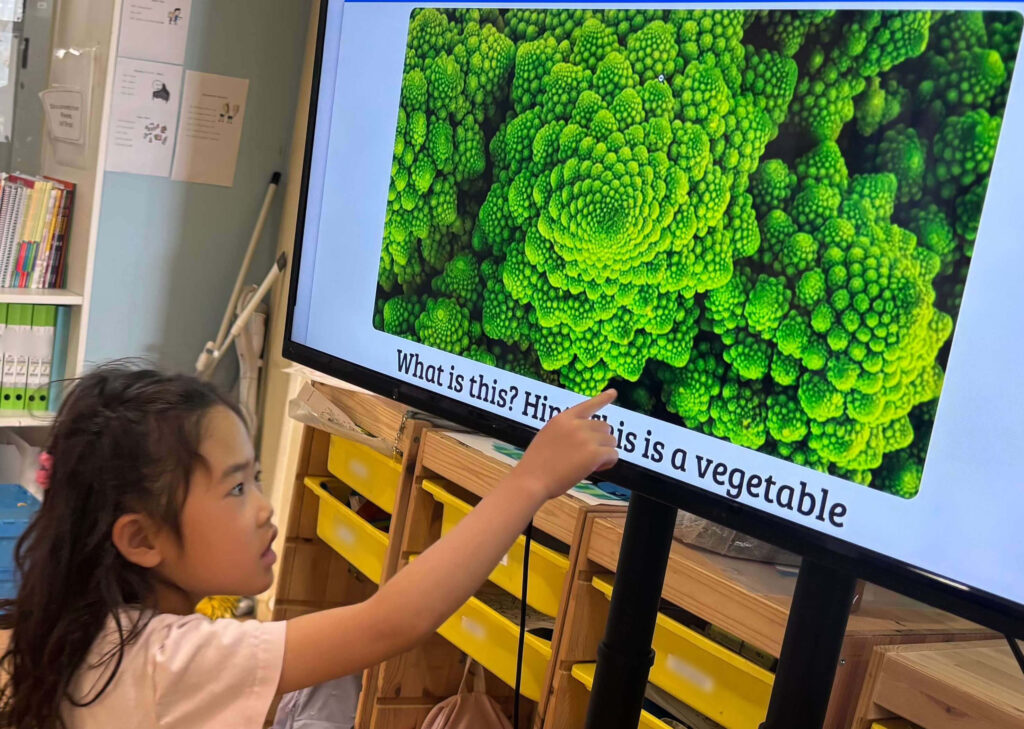
At Beyondia International School Meguro, we give children many opportunities to think independently and creatively. Rather than always giving children the answer, teachers encourage them to think, explore, test ideas, and explain their reasoning.
 |
 |
 |
You might see our children being Thinkers when they:
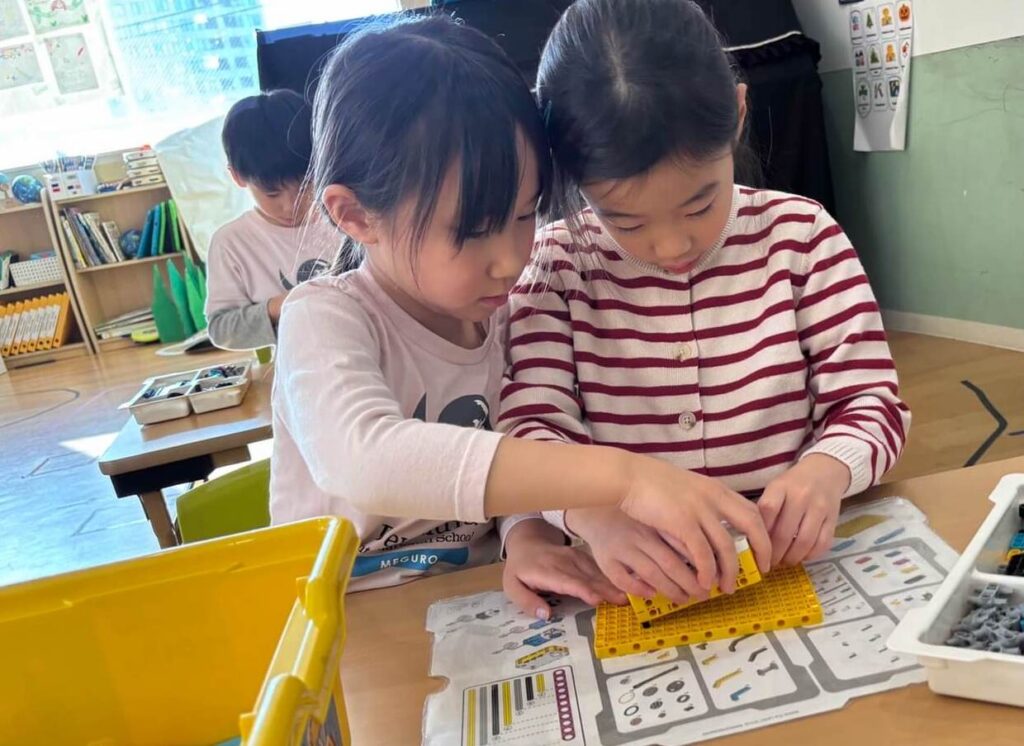
- Solve problems during play — figuring out how to make a block structure stronger or how to build something that can stand on its own.
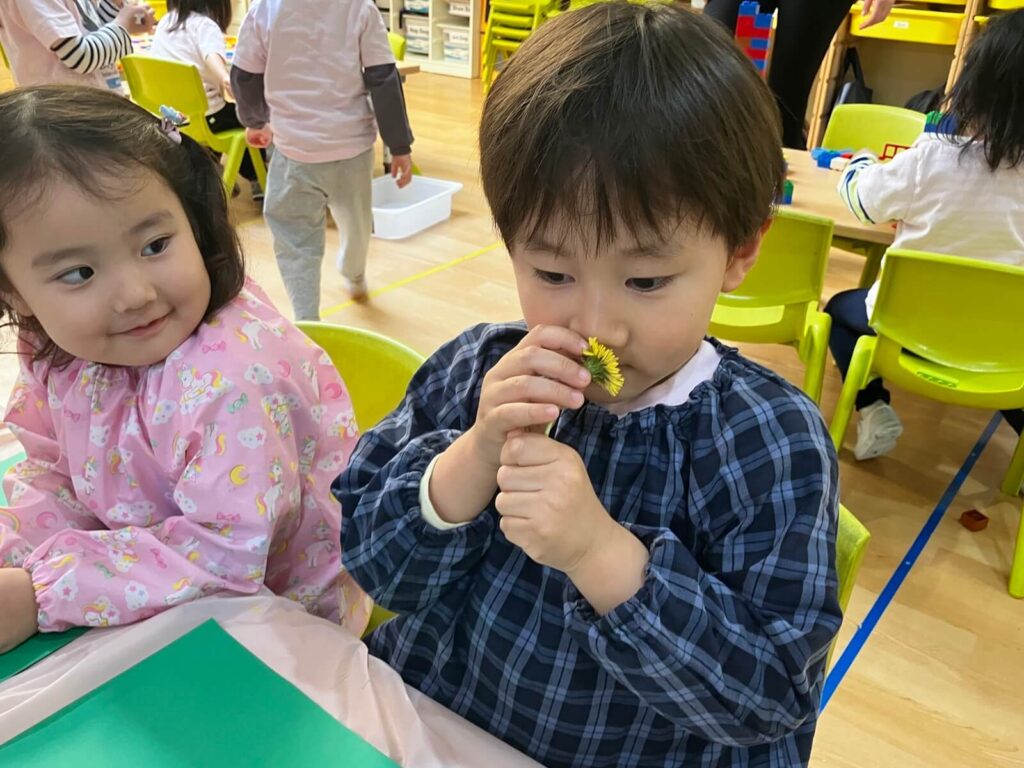
- Investigate and make predictions — wondering what might happen when they mix materials, change something in an experiment, or observe something in nature.
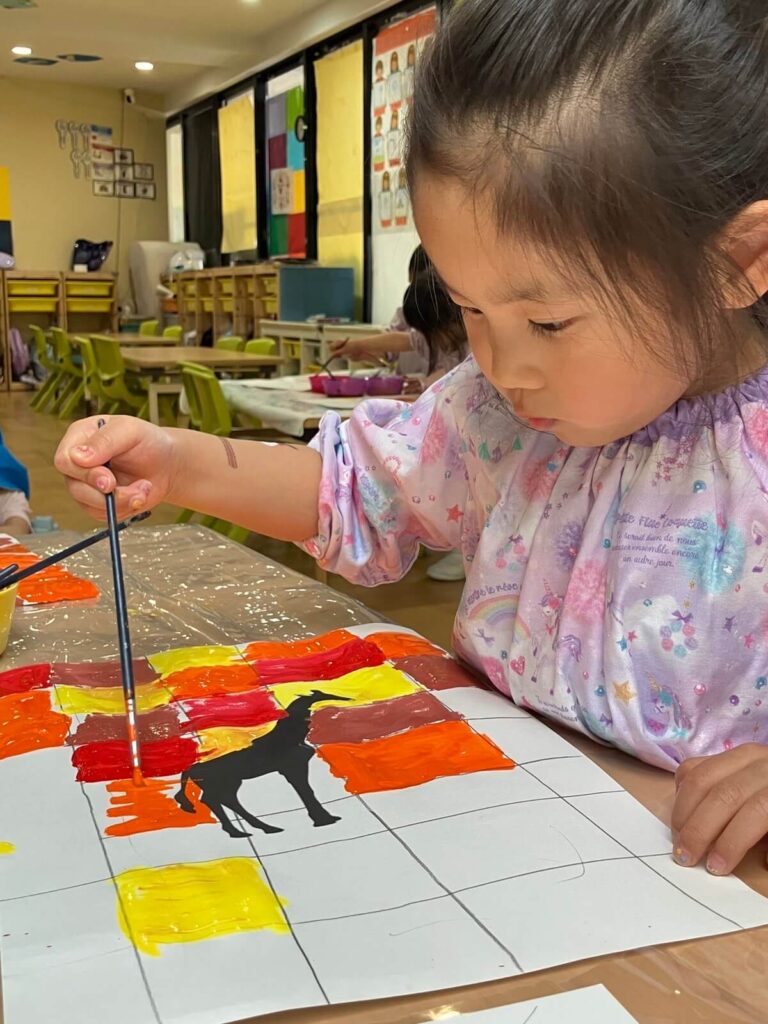
- Make creative choices — deciding which materials, colors, shapes, or techniques will best communicate their ideas.
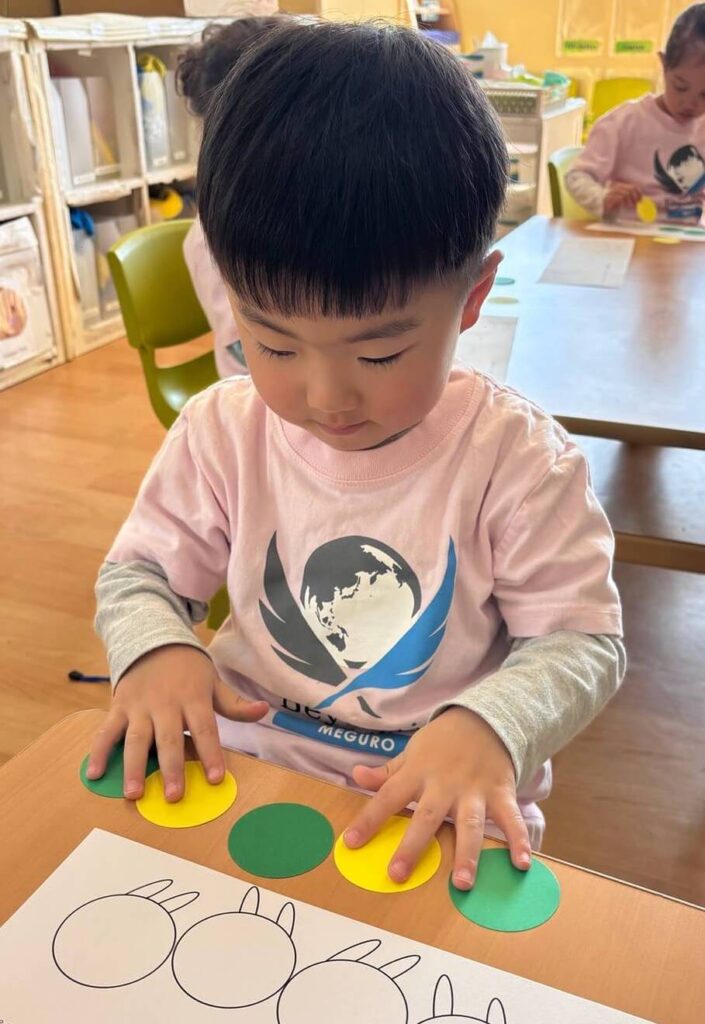
- Try different strategies — finding another way when their first attempt doesn’t work.
- Explain their thinking — sharing why they made a particular choice or how they arrived at an idea.
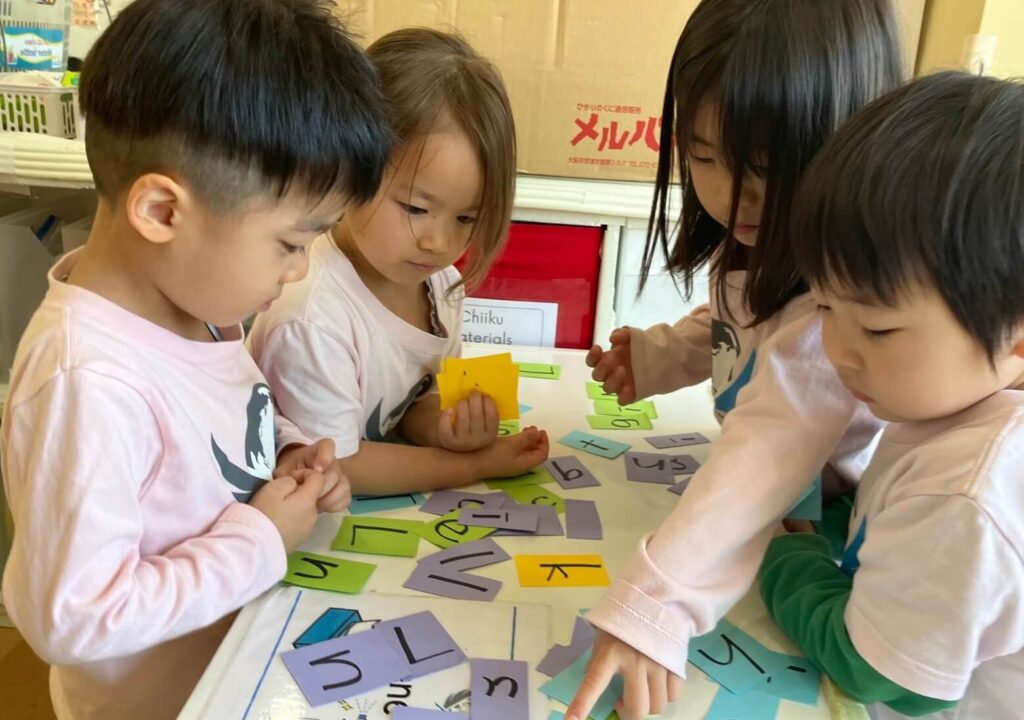
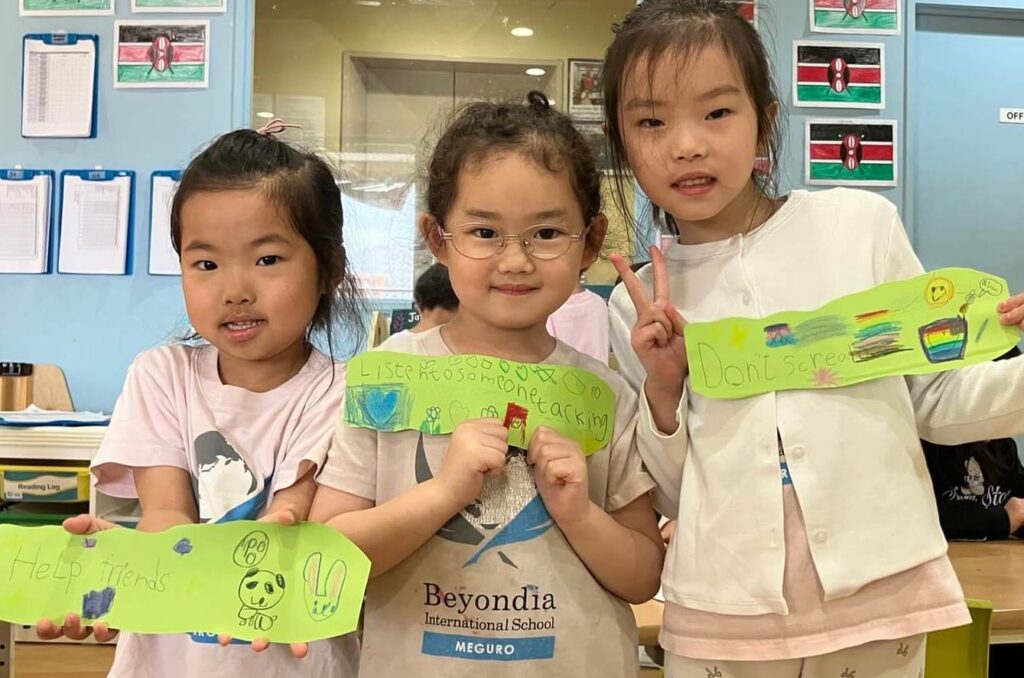
- Think with others — listening to a friend’s idea, comparing different approaches, and working together to solve a problem.
How can we practice at home?
Give your child opportunities to solve everyday problems independently. Instead of immediately fixing something for them, ask, “What do you think we could try?” Cooking, building with blocks, puzzles, and simple household challenges are all wonderful opportunities for developing thinking skills.
Everyday life is full of opportunities to think.
When your child encounters a small problem, try giving them some time to work it out before stepping in to help.
Some simple activities to do at home together:
- Build and create
Use blocks, LEGO, cardboard boxes, or recycled materials and give your child a challenge: “Can you build something that can hold three toy animals?” - Cook together
Cooking naturally encourages children to follow sequences, measure, predict, and problem-solve. Ask, “What do you think will happen when we mix these together?” - Read and wonder
When reading a story, pause before turning the page and ask, “What do you think will happen next? Why?” - Explore nature
Go outside and encourage your child to notice, compare, and make predictions: “Why do you think we found more insects under this rock?” - Let them struggle a little
If a puzzle, shoe, toy, or construction doesn’t work immediately, give your child some time to try different approaches. A little productive struggle can be a powerful learning experience. - Talk about mistakes
When something doesn’t go as planned, model a positive attitude: “Hmm, that didn’t work the way I expected. What could we try next?”
🌟 Remember…
Being a Thinker isn’t about getting the answer right the first time.
It is about developing the confidence to say:
“I have an idea.”
“I wonder why…”
“Let’s try.”
“That didn’t work. What else could we do?”
When children are given the time, space, and encouragement to explore their ideas, they begin to see themselves as capable thinkers and problem-solvers—a mindset that will support them throughout their learning journey.
Let’s all become Thinkers together!
 |
 |
Please look at our other blogs about the IB Learner Profiles as we learn and grow together. Find them here!