In the IB (International Baccalaureate) educational framework, importance is placed not only on test scores and academic knowledge, but also on the kind of person a student becomes.
At the heart of this philosophy is the IB Learner Profile.
The Learner Profile outlines ten key attributes that help children grow into individuals who can think independently, take meaningful action, collaborate with people from diverse backgrounds, and make positive contributions to society.
These attributes are not taught through a special subject or standalone lessons. Rather, they are developed gradually through everyday learning, interactions with friends, and the many experiences that make up school life.
The IB Learner Profile aims to nurture students who are:
- Inquirers
- Knowledgeable
- Thinkers
- Communicators
- Principled
- Open-minded
- Caring
- Risk-takers
- Balanced
- Reflective
These attributes are not separate subjects taught only in the classroom. Instead, they are used in daily learning experiences, school activities, relationships, and personal growth. Whether students are collaborating on a group activity, resolving a conflict with friends, or reflecting on their own learning, they are developing the skills and attitudes that will guide them throughout life.
For parents, understanding the Learner Profile provides valuable insight into how an IB education supports the development of the whole child. It also offers meaningful ways to reinforce these values at home through everyday conversations and experiences.
Students can practice the Learner Profiles at school as well at home with their families. As they become more familiar with each attribute it will foster in them a strong positive attitude and outlook on the world around them.
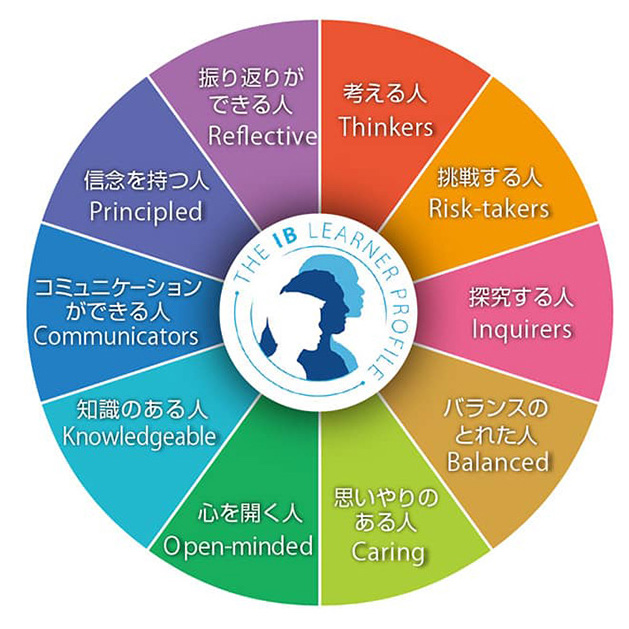
How can the IB Learner Profile create a positive learning culture?
An Inquirer is a learner who is curious and enjoys learning. They ask questions, explore new ideas, and develop a love of discovery.
A Knowledgeable Learner is someone who builds understanding across a range of subjects and uses what they learn to better understand the world around them.
A Thinker is a learner who uses critical and creative thinking to solve problems, makes decisions, and approaches challenges with confidence.
A Communicator is a learner who expresses their ideas clearly and listens respectfully to the ideas and perspectives of others.
A Principled Learner is someone who acts with honesty, integrity, and fairness. They take responsibility for their actions and strive to do what is right.
An Open-minded Learner is someone who appreciates different cultures, viewpoints, and experiences. They are willing to learn from others and consider new perspectives.
A Caring Learner is someone who shows kindness, empathy, and respect. They seek to make a positive difference in the lives of others and in their communities.
A Risk-taker is a learner who is courageous when facing new situations. They are willing to try new things, learn from mistakes, and embrace challenges.
A Balanced Learner is someone who understands the importance of balancing different aspects of life, including learning, relationships, physical health, and well-being.
A Reflective Learner is someone who thinks about their learning, experiences, and personal growth. They use reflection to improve and set goals for the future.
Supporting the Learner Profile at Home
The learner profile is not developed only at school. Taking time to think together about your child’s “Why?” questions, discussing different perspectives, and recognizing their efforts and learning process are all valuable opportunities to nurture the learner profile.
By gradually fostering these attributes in everyday life, children can develop a love of learning and grow into confident, authentic individuals.
In this blog series, we will explore the ten IB Learner Profile attributes, highlighting the characteristics of each and offering practical ways families can support their development at home. We hope you and your child will enjoy learning more about the IB approach together.